Check the Special-Event Rules Before Loading the Hauler
A single mismatch between a home-track setup and a touring series specification can stop a car at pre-race inspection before it turns a competitive lap. For a Northeast dirt-track special, preparation starts with the rules governing the division you entered.
Collect the host speedway regulations, touring series rules, event bulletin and procedural sheet. Check which document takes precedence when requirements differ. Keep amendments attached to the relevant pages, and mark questions for an official to resolve before you tow.
I put document precedence at the top of the preparation sheet: every setup decision below it needs a clear governing rule.
Compare the Parts That Decide Eligibility
Work through the car with a comparison sheet. Record the applicable requirement beside the car's current configuration so the crew can identify actual changes.
- Tires: Check eligible compound markings and any event-specific identification or preparation requirements.
- Weight: Record the minimum and the required weighing condition, including driver presence and when compliance applies.
- Body: Check deck height against the specified measurement references.
- Exhaust: Confirm the required muffler specification and installation requirements.
- Fuel: Check the permitted fuel and the inspection or sampling procedure.
A familiar weekly setup still needs this comparison. A tire that fits the wheel and suits the surface must also carry the required identification.
Put Gate and Draw Deadlines on Separate Lines
Record pit-gate opening, entry registration cutoff and draw closure separately. Completing an advance entry leaves other arrival tasks to finish. Check accepted payment methods, minor-admission documents and required signatures before departure.
Choose an arrival time that leaves room for the gate queue, parking directions and driver registration. Keep the procedural sheet inside the hauler door, where anyone handling the next task can find it. That small habit matters when unloading and registration happen at the same time.
Clear the Pit Gate, Park Cleanly and Confirm Scoring
Have entry confirmation, accepted payment and admission documents accessible before reaching the booth. Each participant should complete the required release and credential process before entering restricted areas. Secure wristbands where officials can check them without interrupting the queue.
Keep the driver's registration and draw status on the crew's task sheet. A pit wristband confirms admission; the registration window and draw desk handle separate checkpoints.
Let the Parking Official Set the Footprint
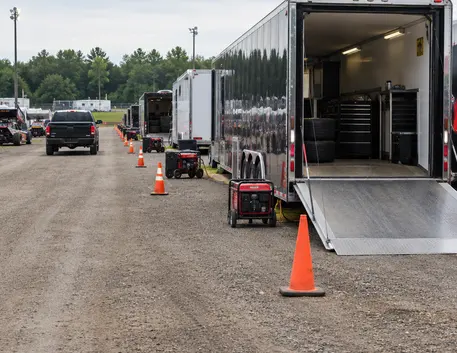
Wait for the parking official's directions before dropping the ramp or unloading equipment. Follow the assigned rig angle, preserve emergency access and account for the route neighboring cars need to reach staging.
Place generators according to the pit rules, with exhaust directed clear of neighboring open trailers and occupied work areas. Keep wheels, jacks, removed panels and tool carts inside the assigned footprint. A clear lane stays useful only when it remains clear through the next tire change.
Check the Transponder Beyond Its Charge Light
Use the installation instructions and event regulations to establish the mounting location, orientation and attachment. Measure from the specified chassis reference. An axle reference and a spindle reference can produce different mounting positions.
Match the identification submitted at registration to the unit attached to the car. Check charging status, the bracket or pouch, and the retaining clip according to the device instructions. Then complete the timing official's detection check.
Carry scoring confirmation forward as its own completed task. A charged unit with secure hardware still needs recognition by the timing system before qualifying.
Present a Tech-Ready Car and Record a Useful Scale Baseline
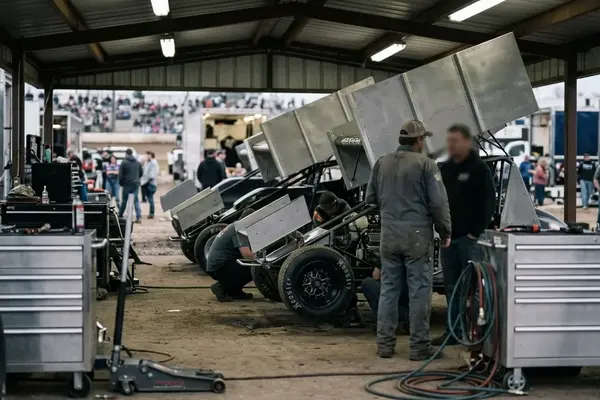
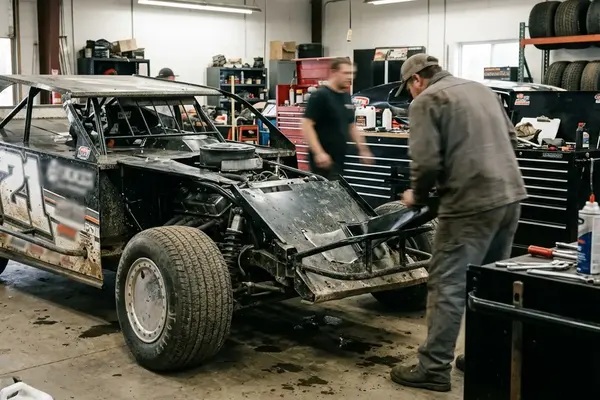
Prepare inspection access in the pit, before joining the tech queue. Follow the inspection instructions for panels that need opening, account for hood pins and fasteners, and clear accumulated dirt from measurement areas.
Stage the driver's required equipment where it stays clean and accessible. Present the suit, gloves, helmet certification label and head-and-neck restraint documentation as requested. Keep the helmet's Snell label visible when that certification applies under the rules.
Make Each Inspection Point Accessible
Officials establish the inspection order. Have the car ready for the applicable checks: body templates, roof and quarter-panel heights, spoiler geometry, driveline containment and electrical shutdown operation.
A crew member who can open an access panel or answer a configuration question helps keep the car moving. Leave room for inspectors to work and follow their directions before operating the master kill switch or moving the car.
If an official identifies a discrepancy, move to the designated correction area. Finish the adjustment, then obtain the required reinspection. Keep any dispute within the published review procedure so the scale exit remains open.
Before track activity, return every opened panel and fastener to its required secured condition.
Give Scale Readings Their Conditions
Record the inspection-scale reading alongside driver presence, fuel state, tire condition and accumulated dirt. Those details make a later comparison with shop readings useful. A difference between readings needs those conditions checked before anyone applies a correction to the setup sheet.
Plan fuel and weight around the event's required weighing condition. A pre-race reading gives a baseline; later compliance follows the rule that applies when the car returns to the scales.
Keep the scale note with the fuel record. Connecting those observations helps the crew judge the car's condition for a longer feature without confusing fuel added, fuel used and total car weight.
Read the Draw and Timing Format Before Joining the Chute
The pill draw can assign a qualifying group, time-trial order or heat starting position. Read its function on the event procedural sheet, complete the draw before closure and confirm the posted assignment.
Check the consequence of a missed cutoff there, too. Plan the driver's gate-to-draw route so a registration task gets completed while the crew handles parking and unloading.
Know Which Green-Flag Laps Count
Before the car leaves the pit, identify the session that produces qualifying times. Open practice and combined timed hot laps serve different purposes. The instructions establish when timing begins, which recorded lap determines position and how officials handle an interrupted attempt.
When hot laps also set the qualifying order, send the driver out ready for that assignment. Tires, fuel, transponder confirmation and receiver audio belong on the departure check before the group reaches the chute.
Place a crew observer where the posted groups and official calls are available without obstructing staging. Record the assigned group, qualifying result and heat lineup separately from track observations.
- Official information: Group call, posted time, heat assignment and any revised lineup.
- Surface observations: Moisture movement, the cushion's location and changes in the usable groove.
- Next action: Where the car must report and which permitted adjustments the crew can finish before that call.
Work the Published Transfer Procedure
Apply inversions only to the positions or groups specified by the format. In passing-points events, use the published scoring table and its treatment of starting position, finishing position and adjustments.
Keep direct transfers, redraw eligibility and consolation assignments distinct. After the heat, check the official result and next assignment before beginning service. The crew needs to know whether it is preparing for another qualifying race or the feature.
Release the Car With Tires, Fuel and Receiver Checked
Between sessions, follow a repeatable sequence: confirm the next assignment, inspect the car, record tire and fuel observations, complete permitted adjustments, then verify communications. Give each task a named owner so the final staging call produces clear answers.
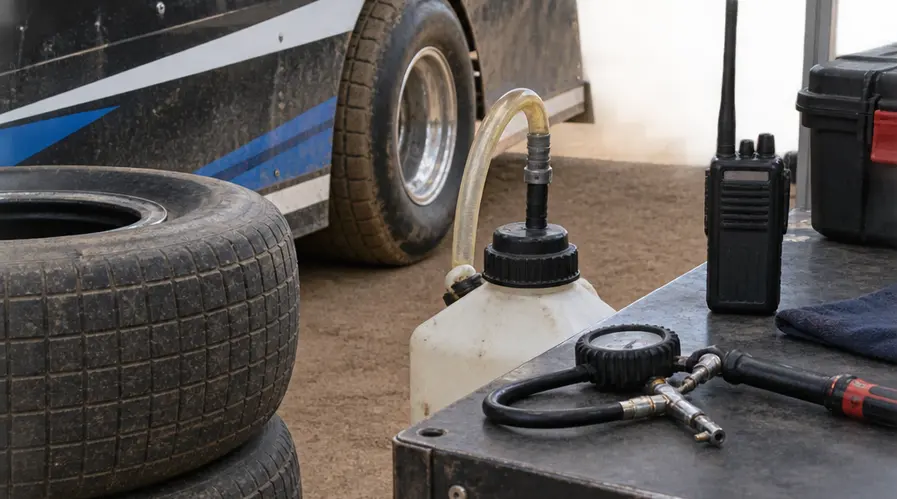
Make Tire Measurements Comparable
Identify each mounted assembly by wheel position, compound marking and measured rollout circumference. Record the pressure used for the rollout measurement. Changing that condition can distort the stagger comparison.
Set cold-pressure baselines in consistent shade. Sun-heated rubber and shaded rubber need their conditions recorded separately, even when neither tire has just completed a run. Keep the gauge accessible and return it to the same protected place after use.
Check the tire rules before preparing grooving or siping tools. Use only permitted preparation, and follow the tire product's handling and inflation instructions.
Measure Replenishment and Check Receiver Audio
Use a repeatable fill reference and record the amount added after each run. Keep that figure separate from the amount left in the container. Note cautions, idling and other operating conditions alongside the run.
Use replenishment to estimate fuel demand for the next race, allowing for its expected running conditions; it cannot establish exact consumption on each lap. Handle and store fuel in suitable containers under the product label and pit regulations, keeping ignition sources clear.
Set the driver's one-way receiver to the required official channel. Check audible reception through the fitted earpieces, route the cord cleanly under the helmet skirt and pack the device's specified spare batteries in a protected bag in the war wagon. Race-control reception carries official instructions to the driver; crew communication equipment must follow the event rules.
Trailer-Door Release Check
- Current rules, amendments and procedural sheet are accessible.
- Pit admission, driver registration and draw completion are confirmed separately.
- Inspection clearance includes any required correction recheck.
- The fitted transponder matches registration and has passed detection.
- The official next assignment and staging call are confirmed.
- Tire, fuel, fastener and receiver checks have named owners and completed status.
When the heat call comes, which crew member will verify every release item before your car leaves for staging?