Contents
- The Crate Sportsman Proving Ground
- Decoding Crate Engine and Weight Rules
- The 358 Modified Transition
- Big-Block Modifieds and Unlimited Horsepower
- Mastering the Northeast Dirt Ladder
The Crate Sportsman Proving Ground
Walk the pits at Rolling Wheels Raceway Park after hot laps and the crowd still gravitates toward the Big-Block stalls. The smarter notebook lives two trailers over, clipped to a Crate Sportsman setup sheet.
The true proving ground of Northeast dirt racing isn't the fire-breathing Big-Blocks; it is the highly restricted Crate Sportsman division, where strict engine rules force drivers to win on pure chassis setup and racecraft rather than raw wallet power.
A Route 5 team that treats the class as a development gate works a fixed loop. The crew first records corner-entry lift point, minimum mid-corner rpm, throttle-pickup point, and rear-tire condition. It then changes one chassis variable at a time and checks whether the driver can preserve momentum as the groove dries.
Judge progress across about 6-10 consecutive race nights, including at least 4 dry-slick features. A single strong heat on a moist track reads as a weather report.
Why Restricted Cars Teach Faster
The sealed 602 crate platform uses a nominal 350-cubic-inch V8, so cars with legal engines must create separation through gearing, suspension geometry, shock control, tire preparation, and line choice.
Horsepower later in the ladder only shrinks the window. A Crate driver who waits a beat at center still has a chance to pick the throttle up clean. The same late hands in a torque-heavy car already have the rear tires gone.
How the Rolling Wheels Ladder Builds Momentum
The program at Rolling Wheels Raceway Park is built to teach momentum-management before it teaches engine management.
Enter on a mark. Hold the wheel still through center. Wait for the car to take a set. Squeeze.
Community nights on Central New York clay make that sequence public. When the cushion fades, everyone can see who was carrying speed and who was leaning on moisture. Expert nuance lives in the notes. If mid-corner rpm falls, the car is tight or the line is too high. If the rears glaze, the pickup came early.
Carry speed through center on a sealed 602, and the rest of the Northeast dirt ladder starts to make sense.
Decoding Crate Engine and Weight Rules
Summer Clay and the Traction Boundary
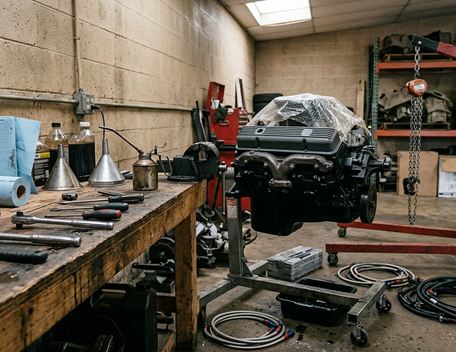
The legality check begins with seal locations and casting identifiers before moving to carburetion, ignition controls, and exhaust configuration. Get that order wrong and the 30-60 minutes reserved for pre-race preparation disappear into guesswork.
Reading the 602 Seals Before You Roll
The 602 is a 350-cubic-inch, cast-iron-block and cast-iron-head crate engine with a nominal compression ratio of around 9:1. Its tamper-resistant fasteners do not physically make disassembly impossible. The rulebook prohibits internal modification, while disturbed or missing seals provide inspection evidence.
Build 30-60 minutes into pre-race preparation for seal inspection, scale-pad checks, tire-circumference measurement, and cold-pressure recording. Recheck hot pressures and tread temperatures within 2-5 minutes of the car leaving the track.
- Confirm seal locations and casting identifiers.
- Check carburetion, ignition controls, and exhaust configuration.
- Measure tire circumference and record cold pressures.
- Hit the scale pads before the first push-off.
- Recheck hot pressures and tread temperatures within 2-5 minutes after the car leaves the track.
Seal Check Window
Those 30-60 minutes belong on the checklist before the first push-off. Seals, scales, circumference, and cold pressures first. Hot numbers after the run. Skip the sequence and the night's chassis notes lose their meaning.
Scales, Spec Rubber, and Parity
Minimum weight requirements keep the field honest. After the feature, the car is weighed with the driver and remaining fuel in race-finished condition. No fuel or ballast gets added after the finish. The event's official scales are the only numbers that count.
Spec-tire rules narrow the permitted casing, size, and compound, pushing setup work toward spring load, shock valving, stagger, rear steer, and crossweight. Identical rubber compounds force teams to find speed through suspension geometry and shock tuning.
The usual mistake is swapping a shock package every week while stagger and circumference go unmeasured. The fix is smaller. Verify approved tire markings. Record pressures, circumference, and tread treatment. Then interpret the chassis changes against those figures.
Where post-feature scale tickets bunch the field, geometry is what still pulls a car to the front.
The 358 Modified Transition
The first night in a 358-Modified exposes the Crate habit of waiting for an old pickup point. Torque loads the rear tires earlier. The driver still pauses. The rears light, the lap falls off, and someone in the trailer wants to blame the motor.
Opening the Engine Program
The Small Block 358-cubic-inch limit equals roughly 5.9 liters. That ceiling introduces engine-building freedom back into the sport. A purpose-built 358 program can involve selectable cylinder heads, compression, camshaft profile, intake preparation, and rotating-assembly choices within the governing rule set.
The financial and mechanical leap is real. The added operating burden includes:
- engine-builder labor
- dyno sessions
- valve-spring inventory
- ignition spares
- fuel-system service
- a planned refresh cycle
Those recurring items are absent or substantially reduced when a legal sealed crate is replaced as an assembly.
Inspect valve lash, spark plugs, oil-filter media, and leak-down readings within 24-48 hours after each race night. Review accumulated laps and leak-down trends over an 8-12-race-night block before scheduling dyno work or a teardown.
Chassis Work When Torque Arrives Early
Start by establishing the 358 engine's usable rpm band and matching rear gear to tire circumference. Reset throttle linkage, rear suspension indexing, shock rebound, and forward bite, because the stronger torque hit loads the rear tires earlier.
Evaluate each change through corner-exit rpm traces, tire appearance, and the driver's ability to open the throttle without breaking the rears. The Crate discipline of one variable at a time still applies. The 358 simply shortens the time available to correct a greedy foot.
Big-Block Modifieds and Unlimited Horsepower
On a drying summer night the assignment changes before the fuel load does. During a 20-30-lap feature on drying summer clay, the useful setup can shift from cushion-dependent forward bite to controlled partial-throttle rotation. Pedal discipline matters more as the polished groove expands.
Grip First, Displacement Second
Northeast Big-Block rule packages commonly place engines in the upper-400-cubic-inch range, with 467-480-cubic-inch combinations appearing in established Modified programs. Aluminum blocks and heads reduce engine mass and alter front-end weight distribution, so scale numbers must be re-established after an engine change.
Those displacement ranges describe common Northeast packages; individual track rules still set the legal ceiling for any given night.
Big-Block setup begins with the available grip, not the engine's maximum output. Crews compare surface moisture, cushion height, and previous-run tire evidence, then select gearing, rear-bar position, shock control, and legal siping depth. If rpm rises sharply without matching forward acceleration, the next adjustment targets wheel load or pedal application.
Record rear-tire pressure and temperature within 2-5 minutes after each run, then compare them with corner-exit rpm and the driver's throttle report. Complete siping before staging and keep it within the event rulebook's permitted pattern and depth.
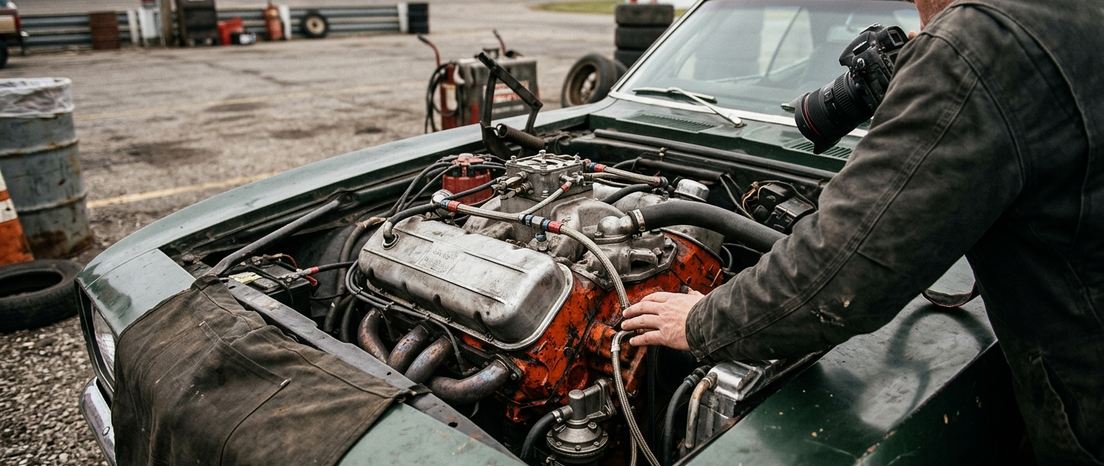
Managing excessive wheelspin becomes the primary challenge, requiring advanced throttle control and aggressive tire siping. Big-Block power is most useful where the surface can accept it. On polished or rubbered clay, the faster lap may require an earlier lift, a slower throttle ramp, and less wheelspin. Tire-siping permissions, displacement ceilings, and block materials also vary by track and sanctioning rules.
Clay Traction Limit
On slick summer clay, asking for more throttle when rpm climbs without forward bite only polishes the groove. Change wheel load, siping, or the pedal ramp. Leave the extra cubes in reserve until the surface can take them.
Mastering the Northeast Dirt Ladder
Refuse the prestige move. Leave the Big-Block order form in the drawer until the Crate car already owns the slick groove.
The Written Promotion Gate
Use a written promotion gate. After every dry-slick feature, log completed laps, restarts, unforced spins, corner-exit corrections, lap-time falloff, and setup changes. Move upward only after the driver can repeat the chosen line, preserve rear tires, and explain what the chassis did at entry, center, and exit.
Require evidence from 4-8 dry-slick features spread across 6-12 weeks, with complete setup sheets and post-race debriefs, before committing to the next engine class.
A useful practice test is a 10-15-lap uninterrupted run: hold the same entry reference, avoid abrupt steering corrections at center, and apply throttle progressively without repeated wheelspin.
Northeast Modified Division Promotion Gate| Division | Primary skill | Crew evidence to record | Review window |
|---|---|---|---|
| Crate Sportsman | Momentum preservation on a dry-slick groove | Lift point, minimum corner rpm, throttle-pickup point, stagger, rear-tire condition | 6-10 consecutive race nights, including at least 4 dry-slick features |
| 358-Modified | Matching torque to forward bite | Corner-exit rpm, tire appearance, leak-down trends, throttle opening | 8-12-race-night block, with inspections within 24-48 hours |
| Big-Block Modified | Partial-throttle rotation on drying clay | Rear-tire pressure and temperature, siping depth, throttle report | 20-30-lap features on drying summer clay |
Before purchasing the next engine package, prepare a 12-month maintenance calendar covering race-night inspections, oil and filter service, valve-train checks, spare ignition components, dyno scheduling, and the planned refresh window.
Hold The Crate
Stay in Crate Sportsman until dry-slick features produce clean laps, saved rear tires, and a driver who can narrate entry, center, and exit. That logbook is the ticket up the ladder.
Stay Until the Slick Groove Pays
Drivers must stay in the Crate Sportsman ranks until they can consistently win on a dry, slick track using momentum alone. Mastering chassis setup under strict limitations is the only reliable way to handle the violent, unpredictable nature of a Big-Block Modified later in a racing career.
Keep the 602 sealed and the notes honest. Order the Big-Block only after the slick groove at Rolling Wheels Raceway Park already belongs to the Crate car.