Contents
- The Evolution of the Saturday Night Short Track
- Pre-Requisites and Essential Equipment
- Phase 1: Securing Your Admission (The Week Before)
- Phase 2: Arrival and Parking Strategy (Race Day Afternoon)
- Phase 3: Navigating the Gates and Grandstands
- Phase 4: Pacing Through the Race Program
- The Final Lap: Put the Screen Down
The Evolution of the Saturday Night Short Track
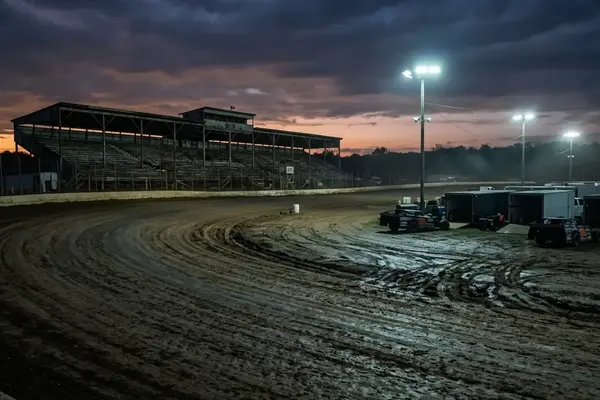
Get ready for the roar of the engines at Rolling Wheels Raceway Park. Short-track dirt racing in the Northeast grew out of informal fairground and horse-track venues. Post-World War II standardization brought weekly stock car and modified programs, oval dirt surfaces, grandstands, concession stands, and posted class lineups. The sport transitioned from county-fair exhibition racing to purpose-built Saturday night programs.
From around 2010 through 2025, spectator planning changed materially. Tracks increasingly used online schedules, social media race-day updates, digital ticket links for larger shows, barcode or wristband entry, and weather cancellation posts before gates opened. A first race night commonly runs from late afternoon gate opening through a feature finish after dark. For planning purposes, the active spectator window is roughly four to six hours including arrival, hot laps, heats, track prep, and features.
Treat your first race night as a routine. A little planning helps you enjoy the night and avoid rookie mistakes. Understanding the facility layout and the nightly schedule turns a chaotic evening of loud noises into a focused, high-octane event.
Pre-Requisites and Essential Equipment
Build your packing list from the physical environment rather than comfort preferences. Dirt-track spectators deal with engine noise, clay dust, aluminum bleachers, and temperature swings after sunset. Use hearing protection with a published Noise Reduction Rating. Foam earplugs commonly list 25 to 33 dB NRR, while over-ear muffs often list 22 to 30 dB NRR. Children should use properly fitted muffs rather than loose disposable plugs.
Bring clear safety glasses or wraparound goggles rated for impact protection. The practical target is full eye coverage during hot laps, heat races, and early feature laps when damp clay can be thrown from the racing groove. A thick stadium cushion matters because aluminum bleachers transmit vibration and stay hard for a four- to six-hour program. A backrest-style cushion is useful if the track allows it and the row spacing is tight.
Carry small bills in the $1 to $20 range for 50/50 raffle sellers, older concession windows, driver merchandise, and parking-lot fundraising tables. A practical backup amount for one adult spectator is close to $40 to $80 beyond the ticket price. On recent race nights, many rural venues still had intermittent card-reader reliability when cell service was congested by race traffic. Cash remains a real operational backup rather than nostalgia.
Pro Tip: While this packing list assumes an open-air dirt oval, fully paved speedways or indoor winter events will naturally reduce dust exposure and change your seating needs.
Phase 1: Securing Your Admission (The Week Before)
Check the track schedule about five to ten days before race night for the class lineup, advertised start time, gate opening time, ticket category, cooler policy, and rain-date language. General Admission usually means first-come grandstand seating. Reserved Seating assigns a specific section or seat and is more common for major touring series visits or heavily promoted specials.
A Pit Pass is not just a better seat. It grants access to the pit area or garage-style working area, typically requires a wristband, and may require a signed waiver because race cars, haulers, fuel, jacks, and moving support vehicles are present. Minor pit access is controlled by track and insurance rules. Common requirements include a parent or guardian signature, a minor release form, and a minimum-age rule that can differ by venue and event.
We often see a first-time spectator buy a pit pass thinking it is premium seating, only to discover pit access requires a waiver, restricts minors, exposes them to active hauler movement, and does not guarantee a better view of the racing surface. For a Saturday race, buy online by midweek or Friday evening for a high-demand special. For a normal weekly program, verify the weather and race-day post by late morning or early afternoon before driving to the gate.
Phase 2: Arrival and Parking Strategy (Race Day Afternoon)
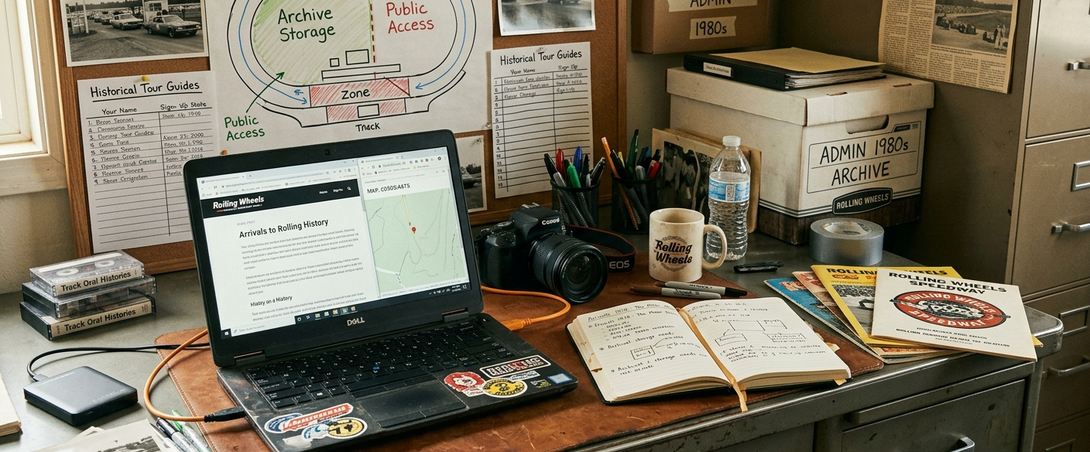
From forum discussions among regulars, plan the arrival block backward from hot laps, not from the advertised feature time. Arrive two to two-and-a-half hours before hot laps for a first visit. If hot laps are posted for 6:00 p.m., a practical arrival target is 3:30 to 4:00 p.m. Unpaved raceway lots often use grass, gravel, or packed dirt. Choose footwear that can handle mud, and avoid parking low in a field after afternoon rain if there is visible standing water.
Positioning your vehicle facing the main driveway can improve your exit time after the final feature. Park toward an outer lane when attendants allow it, and avoid blocking hauler routes, emergency lanes, or marked pit access roads.
Tailgating etiquette is simple. Keep music low enough for nearby families, do not throw cans or food waste in the field, leave a clear lane for vehicles, and pack a trash bag before walking to the gate. Outside food and beverage policies vary. Track cooperation with local safety boards keeps glass bottle bans as a standard safety practice because broken glass creates a tire, foot, and cleanup hazard in parking areas and grandstand walkways.
Phase 3: Navigating the Gates and Grandstands
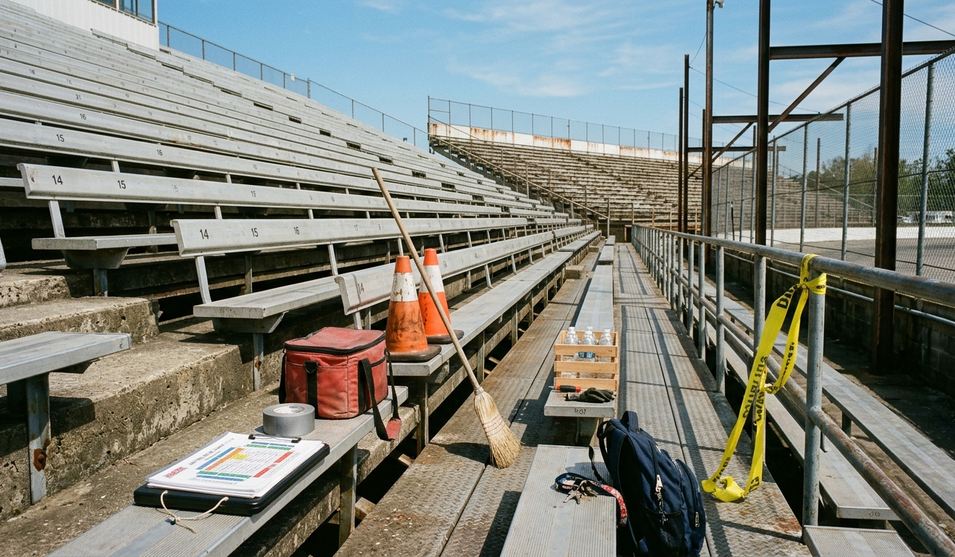
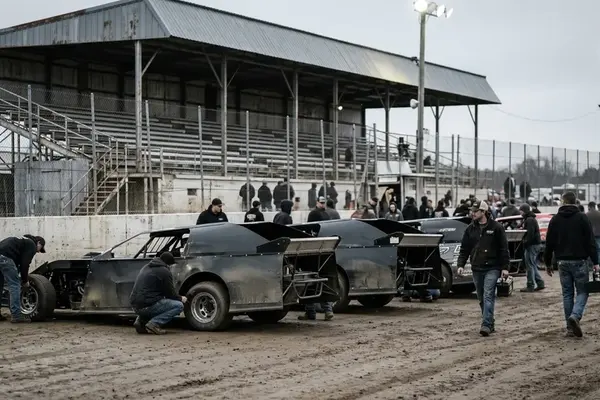
Entry commonly involves a barcode scan, paper ticket tear, hand stamp, or wristband. Pit access uses a more visible wristband because officials need to distinguish pit-authorized spectators from grandstand-only guests. Finding the best vantage point in the aluminum bleachers requires balancing visibility with dust exposure.
For race comprehension, sit in the upper third of the bleachers near the center of the frontstretch if available. That position usually shows both corners, the flagstand, scoring board, and most passing lanes. For maximum sensory impact, sit lower near the catch fence on the frontstretch. Expect louder engine noise, more vibration through the bleachers, and reduced ability to see the far-side racing groove.
The lower rows in turns 1, 2, 3, and 4 are the highest-risk spray zone—wet clay is still loose and tires can throw rooster tails before the track widens and slicks off. If wind is blowing from the backstretch toward the grandstand, dust exposure can increase quickly during the middle and late portions of the program. Keep glasses on even between races when push trucks, pack trucks, or maintenance vehicles are active.
Warning: Do not remove your safety glasses during track prep if the wind is blowing toward the grandstands. Fine clay dust remains airborne long after the race cars exit the track.
Phase 4: Pacing Through the Race Program
The race program operates as a sequence of workload and payoff. Hot laps are short practice sessions, commonly three to eight minutes per group or several controlled laps, used to test gearing, tire stagger, suspension setup, and the current moisture level of the clay. Time trials, when used, usually send cars out individually or in small groups. Some weekly shows skip single-car qualifying and use draw, handicapping, or heat-race finishes to build the feature lineup.
Heat races are short qualifiers, often in the six to ten lap range for weekly divisions. B-Mains or consolation races commonly run 10 to 15 laps to decide the last transfer spots into the feature. Feature lengths vary by class and purse. Weekly support divisions may run 15 to 25 laps, while headline modified or sprint-style features at special shows may run 30 to 50 laps.
For pacing your energy, time your concession visits during track prep. Track prep pauses can run 10 to 25 minutes when the crew grades, waters, or re-packs the surface. Use those windows for concessions, restrooms, and stretching instead of leaving during the final staging calls. As Tom Skibinski, DIRT NorthEast PR Director, has observed in 358-Modified event coverage, track conditions dictate the nightly rhythm.
The Final Lap: Put the Screen Down
Record a 15 to 30 second clip during hot laps or parade laps if you want a keepsake. Those moments still show speed, sound, and car count without costing attention during the deciding race. A feature can last 15 to 40 minutes depending on lap count, cautions, and track cleanup, so battery drain, storage warnings, and blocked sightlines are real tradeoffs for first-time spectators.
The strongest sensory cues happen live—methanol or race fuel odor near the grandstand, clay hanging in the lights, engines echoing under caution, and the field accelerating together at the green flag. During the A-Main, watch the flagstand, the leader’s lane choice, lapped traffic, and restarts. Those details explain the race better than a phone view locked on one car.
Trackside Reminder: The true value of a dirt track race is the raw, sensory experience. Commit your attention to the track and leave the smartphone in your pocket.
Put the screen down. Stay fully present and engaged when the green flag drops for the main event. Watch the mechanics of the race unfold in real time. The vibration in the bleachers and the deafening roar of the pack cannot be captured on video. Experience the feature race with your own eyes.
Source
- Centers for Disease Control and Prevention. Noise-induced hearing loss. National Institute for Occupational Safety and Health.