Contents
- Setting the Stage at The Fast Track
- May 2004: Conquering the DIRT Challenge Cup
- September 2004: Sweeping the Champions Challenge
- May 2005: Post-Race Drama and the Season Opener
- October 2012: Super DIRT Week XLI Triumph
- Technical Compliance: The Unseen Deciding Factor
Setting the Stage at The Fast Track
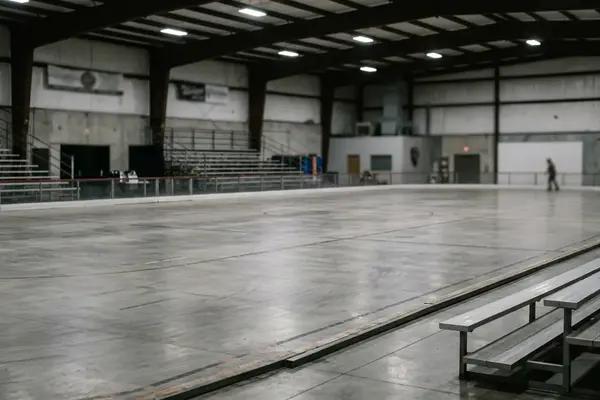
Rolling Wheels Raceway Park never needed a soft introduction. Around Central New York, fans knew it by its harder name: The Fast Track.
That nickname matters here because Brett Hearn’s strongest Rolling Wheels results were not quiet box-score entries. They came in 358-Modified action and Advance Auto Parts Super DIRT Series-related programs where speed, patience, and post-race paperwork all had a say. If you only scan the winner line, you miss the shape of the dominance.
This is not a full Brett Hearn career biography. It is a race-by-race archive report, built from dated Rolling Wheels results between May 2, 2004 and October 5, 2012. The point is narrower and cleaner: show the wins that defined Hearn’s grip on Route 5 when the Modified field came loaded.
How to Read This Archive
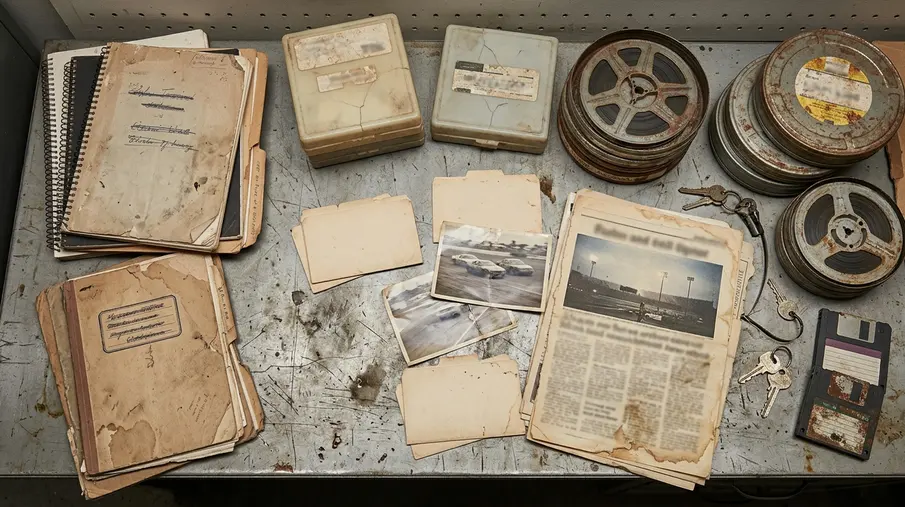
Start with the official result. Then check the event context. Then look for what changed after the checkered flag.
That last step is where dirt-track reporting earns its keep. A feature can look settled at the stripe and still move in tech. The May 2005 opener makes that point better than any lecture.
Archive read: Hearn’s Rolling Wheels dominance is strongest when we keep it tied to named races, dates, and official classifications. The supported record here covers listed wins, not every major Modified event ever staged at the track.
May 2004: Conquering the DIRT Challenge Cup
The May 2, 2004 DIRT Challenge Cup gives this report its first hard marker. Before the scheduled Spring Fling storyline could take over the season chatter, Hearn put a Modified feature win on the board at Rolling Wheels Raceway Park.
That matters because early-season dirt racing can be messy. Teams are still reading the surface. Drivers are still learning how the car reacts under race pressure. A win at The Fast Track in that window tells the pit area that the notebook is already close.
The Result That Set the Tone
Hearn secured the Modified feature win on May 2, 2004. No need to dress that up. In an archive-style match report, the value sits in the exact date, the track, and the class.
Supporting classes rounded out the night with their own clean headlines. Russ Hefti won the Sportsman feature. Dave Mannise took the BOSS Street Stock series victory. Those results give the card some texture; they also remind us that Rolling Wheels race nights were full programs, not single-car showcases.
Common Mistakes When Reading This Result
- Keep it from becoming a season summary too quickly. The May 2 win stands on its own as the opening proof point in this Rolling Wheels run.
- Give supporting classes their weight. Sportsman and BOSS Street Stock winners help pin down the event identity.
- Do not inflate the claim. The fact is Hearn won the Modified feature that night; the record does not need extra shine.
Reading tip: When you compare old Modified results, build the line in this order: date, track, class, winner, then supporting context. It keeps the story fast and keeps the record honest.
September 2004: Sweeping the Champions Challenge
The September 18-19, 2004 weekend is the escalation point.
One feature win can show form. A demanding multi-race weekend at Rolling Wheels tells you more about command. During the Dynomax Wheels World Series program, Hearn won the 200-lap Modified feature and also took the Turning Stone 100. That is the kind of weekend fans remember because it drains equipment, focus, and patience.
Why the Weekend Carried Weight
A 200-lap Modified feature at The Fast Track asks different questions than a shorter sprint. The driver has to manage pace without going flat. The crew has to trust the setup deep into the run. Traffic becomes part of the math.
The Turning Stone 100 added another layer. Hearn did not just grab one headline and coast on it. He stacked another win inside the same September 18-19 weekend, which is why this section belongs apart from the May result.
The Points Picture
Gary Tomkins secured the 2004 Rolling Wheels track points championship that weekend. That detail is important. Hearn owned the feature headlines in this report, but Tomkins owned the track points outcome for the season.
That distinction keeps the record sharp. Race dominance and points championships can overlap, but they are not the same measurement.

Record check: Do not turn Hearn’s September sweep into a blanket claim that he won every major Rolling Wheels Modified prize. The supported claim is specific: the 200-lap Modified feature and the Turning Stone 100 during the Dynomax Wheels World Series weekend.
May 2005: Post-Race Drama and the Season Opener
The May 1, 2005 season opener is the race I keep circled because it forces everyone to separate the finish from the final result.
Rolling Wheels introduced the RACEceiver driver-to-official radio system in this opener context, a practical change that tightened communication between officials and drivers. That kind of tool may not roar like a Big-Block Modified, but it changes race management. Cleaner calls. Faster instructions. Less guesswork under caution.
Finish First, Inspection Second, Classification Last
Bob McCreadie crossed the finish line first in the Modified feature. In the grandstand, that is the moment people react to. In the official record, it is not always the final step.
Post-race inspection followed. McCreadie was disqualified after that inspection, and Brett Hearn became the official Modified winner. That is the defensible reading of the race: first car across the stripe, then technical review, then final classification.
What to Do With a Race Like This
- Record the on-track order. McCreadie reached the finish first, and that belongs in the narrative.
- Include the inspection outcome. The disqualification changed the official result.
- Use the official winner in standings-style references. For this event, that winner is Hearn.
That sequence may feel technical, but it protects the integrity of the report. It also explains why dirt-track archives sometimes read differently than a fan’s memory from the bleachers.
October 2012: Super DIRT Week XLI Triumph
Jump ahead to October 5, 2012, and the story still has bite.
By then, the 2004 and 2005 Rolling Wheels results had already established the pattern. The Super DIRT Week XLI period added a later confirmation: Hearn could still win at The Fast Track when the calendar, the crowd, and the pressure all pointed toward championship-season racing.
The 75-Lap Feature
Hearn won the 75-lap feature on October 5, 2012. Danny “The Doctor” Johnson finished runner-up. Pole-sitter Lee Gill finished third.
That podium tells a tight story. Hearn did not sneak through a thin field in a forgotten slot on the schedule. He beat a named front group during the Super DIRT Week XLI stretch, with Johnson chasing and Gill converting the pole into a third-place finish.
Why This Result Belongs With the Earlier Wins
The gap between 2005 and 2012 matters. It keeps the report from becoming a short hot-streak note. Hearn’s Rolling Wheels record, as covered here, stretches from early-May form to fall championship-week relevance.
That is the legacy angle. Not vague greatness. Dated wins, under different event conditions, across multiple years.
Technical Compliance: The Unseen Deciding Factor
Dirt-track racing is never decided by throttle alone. Rolling Wheels results came through a full operating chain: race finish, technical inspection, then final classification.
The May 2005 Modified feature is the clean example. The winner changed after inspection. That does not make the race less real; it makes the official process visible.
The Weight Rule Context
A roughly 3% weight rule sits in this world as a compliance boundary. Teams build close to the line because performance lives close to the line. Officials inspect because the line has to mean something.
That is the equalizer. A driver can thrill the crowd, but the car still has to pass the standards that govern the class. Without that step, the fastest lap becomes an argument instead of a result.
Timing, Scoring, and Communication
Transponders supported official race-order verification. RACEceiver units connected drivers with officials beginning in the May 1, 2005 opener context. Together, those tools helped modernize the working side of the show.
Tom Skibinski, DIRT NorthEast PR Director, always treated those details as part of the event, not clutter around it. That is the right instinct. Fans want the winner, sure. Racers want to know the race was called, scored, and inspected with a steady hand.
The Field-Tested Read
When you line up Hearn’s Rolling Wheels wins from May 2, 2004, through October 5, 2012, the pattern is strong but bounded. He won the May 2004 Modified feature. He swept major September 2004 weekend features covered here. He inherited the official May 2005 opener win after McCreadie’s disqualification. He won again during Super DIRT Week XLI in 2012.
That is enough. No need to pad it.
At The Fast Track, the archive rewards precision. Hearn’s best Rolling Wheels results still hit hard because the dates, distances, podiums, and inspections hold together under review.