Why Heavy Clay and Central New York Weather Force Schedule Shifts
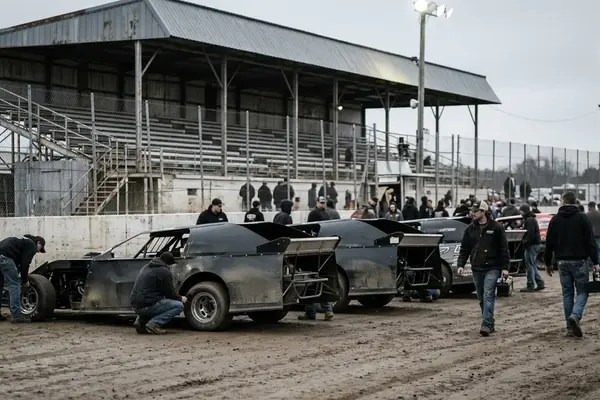
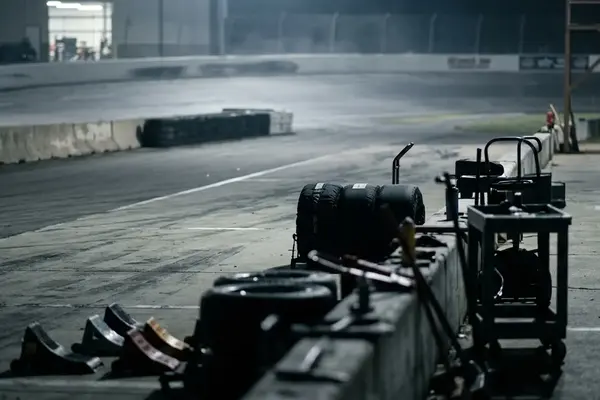
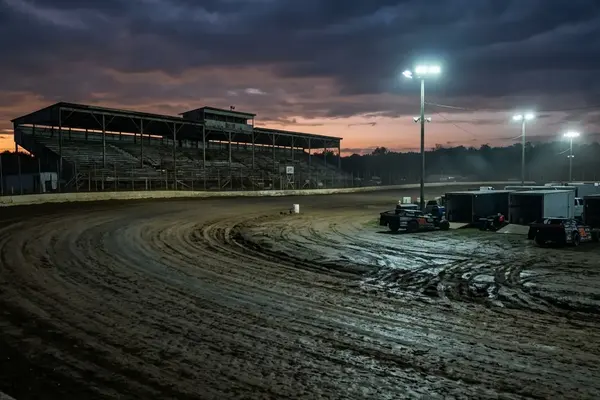
Rolling Wheels Raceway Park’s historically documented 5/8-mile clay oval in Elbridge, New York, measures a nominal 3,300 feet. When that clay saturates, an approximately 800-horsepower Big Block Modified can lose traction and slide toward the outside wall. The same moisture can leave preparation equipment cutting ruts instead of building a stable racing surface.
That is where a rain-date decision starts: with the ground.
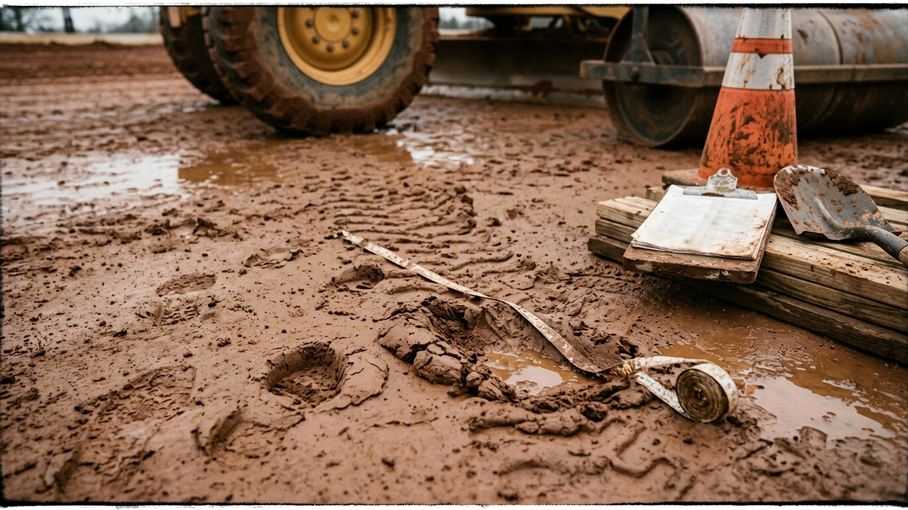
A passing afternoon shower may leave moisture that crews can work into the surface. A prolonged soak reaches deeper, softens the racing groove and leaves low spots in the pits holding water. The grader needs enough firmness to shape the clay without smearing it. Packing equipment needs to consolidate the surface without sinking farther into it.
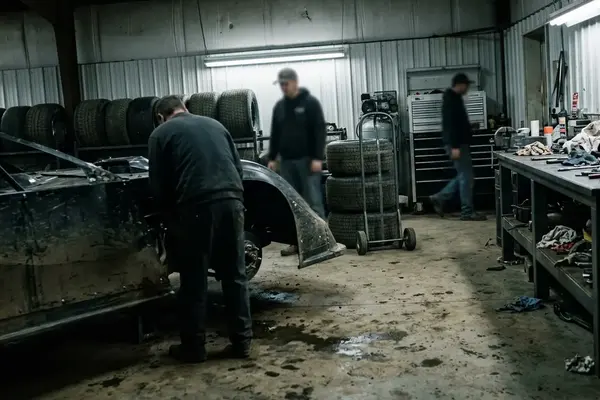
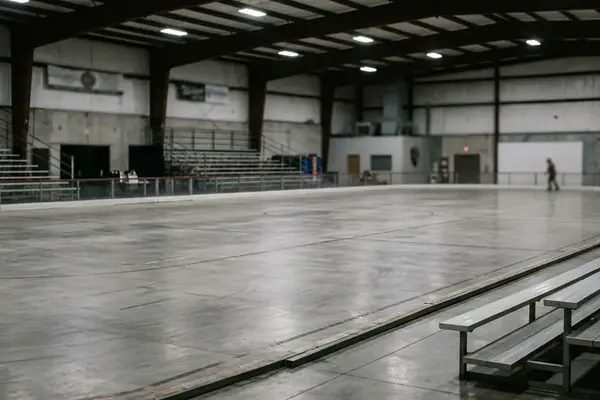
The view from the grandstands tells only part of that story. Teams need firm ground to unload, position jack stands and work around their cars. Officials also need usable pit entrances and emergency-vehicle access. A promising-looking straightaway cannot settle all those questions.
I separate an Elbridge rainout into three records: surface and access conditions, competition results already earned, and admission credentials carried forward. Keeping those records separate makes the eventual announcement much easier to read.
Central New York spring and autumn weather puts extra weight on drying conditions. Sunshine, wind and humidity matter after the last shower passes. The practical question for track operations and pit crews is whether the whole facility can support racing safely.
This guide explains how to read postponements and makeup formats. Historical facility records do not establish a current operating season or a confirmed Rolling Wheels makeup calendar.
Inside the Track Inspection and Weather Call Timeline
A useful race-day decision sequence moves from forecast review to physical inspection, then controlled equipment work and a public status update. Each checkpoint answers a different question.
- Review the approaching weather. An initial radar check six to eight hours before scheduled hot laps provides a planning window for storm movement and possible clearing.
- Walk the vulnerable ground. Inspect drainage, pit entrances, low spots, the racing groove and emergency access. Look beyond the visible puddles.
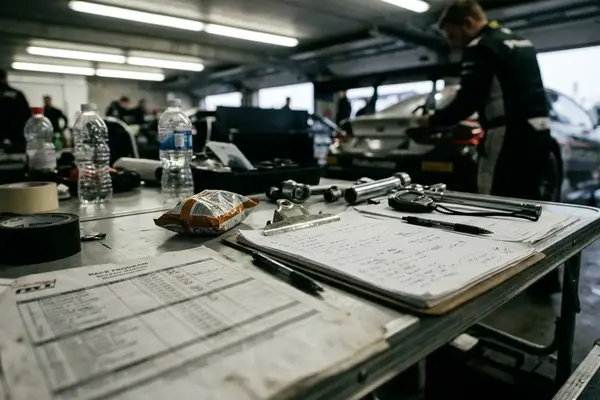
- Evaluate preparation equipment. Check whether the grader can shape the surface and whether packing equipment leaves stable tracks rather than deeper ruts.
- Reassess before gates. Another inspection one to two hours before pit gates open gives officials a chance to issue a useful pre-haul update.
Those windows are editorial planning examples, not documented Rolling Wheels procedures.
The timing call carries a real trade-off. An early postponement can save teams a long diesel-burning haul on the New York State Thruway. Waiting may preserve an evening program if the weather clears and the ground responds. Waiting too long leaves trailers rolling toward an event that cannot open its gates.
Clay Needs Drying Time
Rain stopping nearly two hours before hot laps does not establish readiness. High humidity, weak wind and limited sunshine can leave heavy clay too wet to grade or pack safely.
A useful pre-gate dispatch names the original event date, states the gate and racing status, and identifies whether a replacement date is confirmed or pending. “Update coming” leaves the biggest travel question unanswered.
What Happens to Grandstand Stubs and Pit Wristbands When Rain Hits
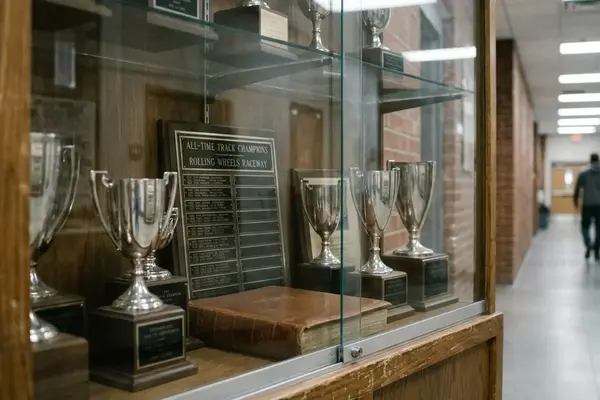
Keep every admission credential until the makeup instructions settle its status. That includes the damp grandstand stub, the digital purchase record, the physical pit wristband and any accompanying receipt.
The familiar claim that “the heats are finished, so the show counts” needs checking against the original event’s terms. Completed heats do not establish a universal dirt-track rain-check threshold. Three decisions can follow different rules: whether admission counts as used, whether qualifying results stand, and whether an unfinished feature resumes.
- Entire program postponed: Read the replacement admission instructions. Before qualifying begins, there is no completed qualifying result to retain.
- Qualifying retained, feature unfinished: Look for the official lineup or scoring record and the continuation instructions.
- Event complete for admission purposes: Check separately whether officials have scheduled any remaining competition.
Grandstand admission and pit access also need separate answers. A grandstand stub documents one admission area; a pit wristband documents another. Never assume the announcement treats both identically.
Save The Wristband
Photograph a wet or damaged credential for backup, then keep the original. A wristband photograph does not become a replacement pit credential unless the published instructions accept it.
If the makeup carries a different ticket price, get the accepted original credential, replacement date, admission area and any stated upgrade amount before buying again. No verified Rolling Wheels upgrade charge or rain-check threshold is supplied here.
The clock can also end the discussion. Applicable municipal noise curfews and the event’s sanctioning rules can restrict how late racing continues. A Super DIRTcar Series event or a traveling sprint car program may carry its own continuation requirements. Check the actual event bulletin; do not assume a curfew hour or a tour-wide rainout rule.
How Doubleheader Programs and Held-Over Features Are Structured
A held-over-feature doubleheader puts two competition records on the same date. The earlier event supplies its retained qualifying results and starting lineup. The newly scheduled event runs its own registration, qualifying and feature sequence.
That boundary matters most when another trailer pulls into the pits. A newly arriving 358-Modified team may enter the fresh program under its entry rules. A fresh pill draw does not place that car into the earlier rainout’s feature.
Follow The Retained Lineup
For this format, officials publish the carried-forward lineup and run the held-over feature before starting the scheduled night’s full program. Teams must check eligibility for each show separately. The instructions should resolve absent qualifiers, alternates, driver or car substitutions and any starting-position changes.
For planning purposes, picture this sequence:
- 16:30–17:00: Held-over feature.
- 17:00–17:45: Inspection and surface work.
- 18:00–18:20: New-program hot laps.
- 18:30–19:15: New-program heat races.
- 20:00–21:30: Later features.
This is an illustrative timetable, not a published Rolling Wheels schedule. It gives a makeup-feature team just about 60 minutes between the planned finish and fresh-program hot laps. Cleanup delays eat directly into that interval.
Prepare For The Turnaround
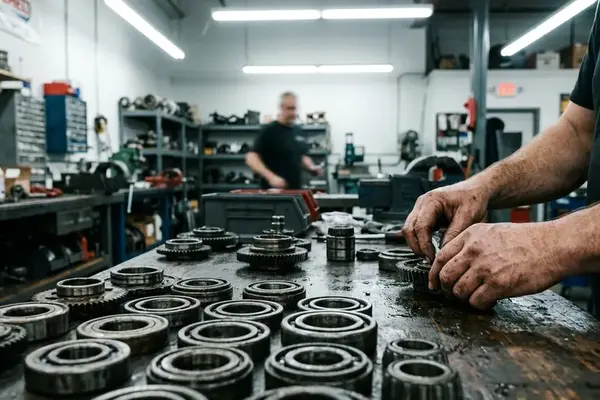
I would build the pit plan around that gap. Inspect the car after the held-over feature, identify necessary repairs and leave enough time for any driveline work. A gear change requires access and reassembly; it belongs on the work list before the crew starts reaching for tools.
Tire work needs the same discipline. Grooving removes rubber to create channels; siping adds narrow cuts. A slick daytime surface followed by a tackier evening track can change the setup discussion, but the clock alone should never dictate those adjustments. Read the actual surface and applicable tire rules.
The pressure comes from doing that work while the next program is already assembling. Have the retained lineup and new-program instructions ready before unloading.
The Pre-Haul Protocol: Confirming Track Status Before Leaving the Driveway
Start with the timestamped official track dispatch. Match it to the original race date before interpreting a postponement, gate change or makeup announcement. An old notice can look convincing in a busy group chat.
- Record the track’s latest status. Note the dispatch timestamp, affected date, gate status, hot-lap status and makeup instructions.
- Read the relevant sanctioning bulletin. Confirm retained lineups, eligibility and continuation procedures.
- Check operational alerts. If the event offers official pit text updates and you subscribe, review them for changes. Resolve conflicting messages through the track’s published contact channel.
- Watch radar movement. Use the National Weather Service Binghamton forecast office resources to examine the Elbridge area and nearby Cayuga and Onondaga counties.
Run a 30–60-minute radar animation rather than judging a single image. Movement and redevelopment help explain whether nearby rain is clearing or repeatedly crossing the area. Radar supports travel planning; officials still make the facility decision on the ground.
No current track-alert subscription service or official dispatch address is verified here. Find those through the event’s published channels rather than trusting a forwarded signup link. On a long haul, have a passenger monitor later updates or stop safely to check.
Protect The Haul
My recommendation: verify the official timestamped track dispatch in the range of 30 minutes before departure, never substitute a second-hand social screenshot, and keep a dedicated waterproof zip-bag in the tow rig glovebox strictly for pit wristbands and rain stubs.