Experiencing the Dirt-Track Weekend
Let me be honest about what VIP camping at Rolling Wheels Raceway Park actually buys you. It is not a luxury-hotel upgrade. It is a logistics decision.
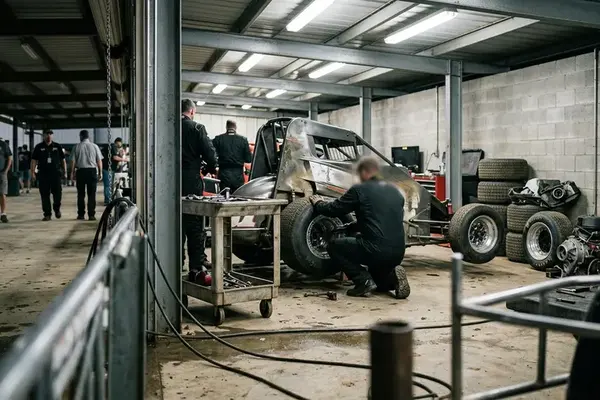
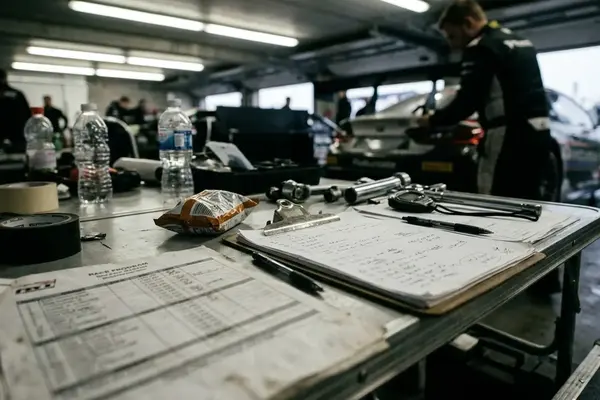
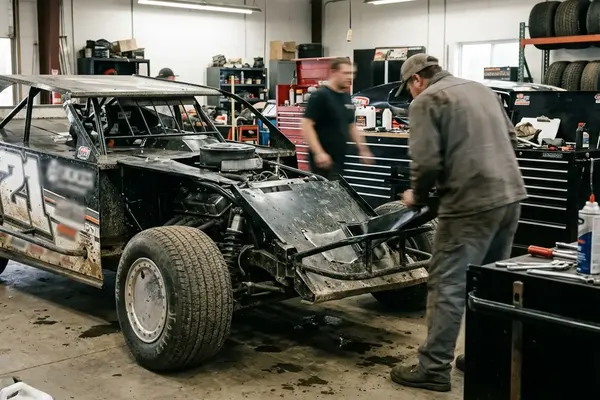
When you stay on-site at our Elbridge dirt-track here in Central New York, you cut the back-and-forth driving that eats up a race weekend. You roll out of your camper, walk toward the grandstands, and you are already inside the atmosphere before the first heat lines up. For fans, that means more time soaking in the roar. For pit crews, it means easier coordination when there's a part to grab or a setup change to make between sessions.
This guide covers the practical stuff: what defines a VIP spot, how to think about rates and reservation timing, the rules worth checking before you pack, and the event-specific twists that catch people off guard.
One thing I'll repeat throughout, because it matters more than any single tip: the posted event schedule is your controlling source. Dirt-track plans shift after weather, track-prep, or a promoter's call. Re-check the event page or contact track officials around 72 to 96 hours before you travel.
What Defines a VIP Camping Spot?
Forget the marketing gloss for a second. A VIP camping spot earns the label through operational advantages, not a fancier view promise.
Three things define it: location, access control, and confirmed services.
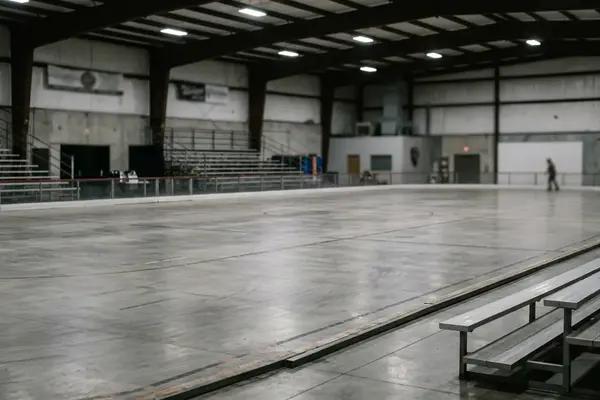
Location is best described as a walking route. How far to the grandstands? Where's the pit entrance, the restrooms, the vendor areas, and which dedicated gate do VIP pass holders use? Those are answerable questions. "Best view" and "steps from the action" are not — so I won't pretend otherwise.
Access control is the second piece. VIP zones at Rolling Wheels typically run through dedicated gates with tighter entry for pass holders. That's real value on a busy night.
The credential trap
Here's where folks get tripped up. Your campsite credential is not the same as everything else you might need. Depending on the event packet, you may still need individual race admission, pit wristbands, vehicle tags, or crew passes.
A fan who buys only a campsite credential may still be stopped at the pit gate if that night's event requires a separate pit wristband.
On hookups, don't assume anything from last season. Power service — 30-amp or 50-amp, potable water, dump access, or whether it's no-hookup dry camping: confirm each one for your specific event. And work from a campsite map dated within the same racing season. A layout older than twelve months can steer you wrong unless officials confirm it's still current.
5 Essentials for Your VIP Camping Experience
I've ordered these the way you'll actually use them — pick the zone, lock the reservation, learn the rules, match your gear, then prep for race-day comfort.
1. Prime Location and Track Access
Once you know your zone, map your walking routes before you even arrive. Where's the closest gate to your row? Which path gets you to the grandstands, and which to the restrooms and vendors? Knowing this turns chaos into a casual stroll when the crowd surges between features.
Remember the credential separation here too. Being parked near the pit area does not grant pit entry. Only the event packet decides that.
2. Current Rates and Reservation Timelines
Tie your reservation timing to the current event posting. Once camping shows up for a race date, confirm the site or zone, your vehicle count, unit length, arrival gate, and whether payment is due in advance or at check-in.
Then reconfirm roughly 3 to 5 business days before arrival. Check the name on the booking, the site number or section, how many wristbands or vehicle tags you're getting, and the late-arrival procedure if you're rolling in after dark.
On cost, I won't quote a fixed price — those live on the official rate sheet, not in a blog. But it helps to picture the components so nothing surprises you at the gate: campsite fee, race admission, pit pass, hookup fee, extra vehicle charge, extra unit charge, and any cleanup or damage deposit if one's listed.
3. Essential Campground Rules and Etiquette
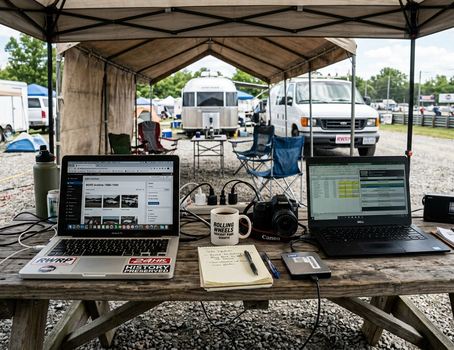
Verify the rules before you pack, not after you arrive. The list that actually matters: quiet hours, pet policy, generator rules, open flames, glass containers, alcohol restrictions, golf carts or ATVs, trash removal, gray-water disposal, black-water disposal, and where tow or support vehicles park.
Good camp etiquette keeps the whole dirt-track family happy. Honor quiet hours. Bag your trash. Clean up after your dog. Simple stuff, but it's what makes a VIP row feel like a community instead of a parking lot.
If you're running open flames, review the New York State camping fire safety guidelines so you're squared away.
4. Match Your Equipment to the Infrastructure
This is where the published service list pays off. If 30-amp or 50-amp is confirmed, bring the matching adapter and an RV-rated extension cord. Add a fresh-water hose, a pressure regulator, leveling blocks, and wheel chocks. If sewer hookup isn't listed, pack a portable waste tank — don't gamble on finding one nearby.
5. Prep for Dirt-Track Conditions
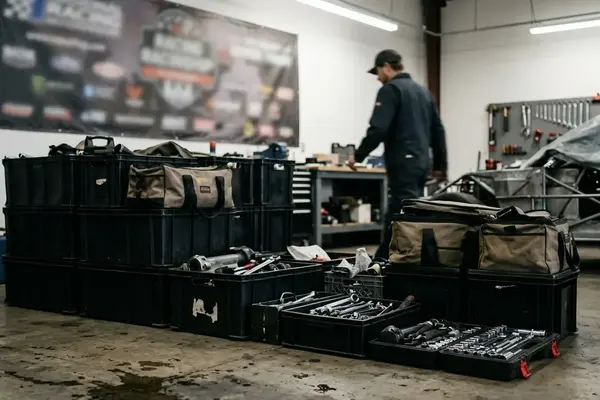
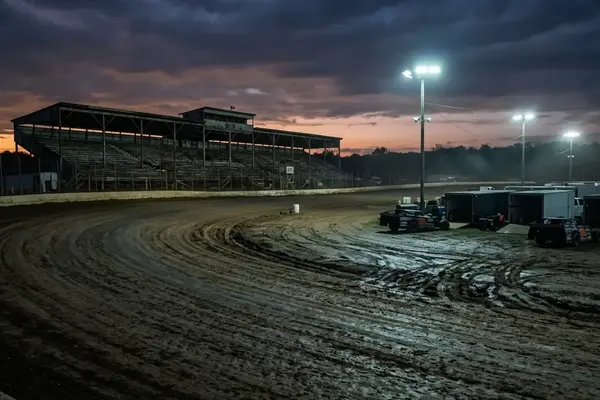
Dry clay dust and post-rain mud demand different cleanup plans. I pack for both. Sealed storage bins, boot mats, eye protection, hearing protection, tarps or canopy tie-downs, rags, trash bags, and rain gear cover most of what a Rolling Wheels night throws at you.
Pro Tip: Stage your dusty-night kit and your muddy-night kit separately. When the weather turns at the track, you grab the right bin instead of digging through everything.
Event-Specific Variations and Limitations
Now the exceptions. Understand the normal decision flow first, then see where a promoter, touring series, or weather call can change it.
Rates and rule enforcement scale with the event. A regular race night and a marquee program don't run by identical rulebooks. Pit access is the clearest example, because it's always credential-controlled.
A VIP row located close to the pit area on a regular race night may lose direct pit crossover access during a special touring-series program with tighter credential control.
That's not a flaw in your spot — it's how serious series manage their pits. Plan around it.
Maps shift too. A prior-season campsite map can mislead you if the track moves gates, vendor areas, support parking, or overflow camping to handle a larger crowd. Always pull the current document.
Warning: If an outside promoter leases the facility for a special show, that promoter's packet can supersede the raceway's usual access, pit, alcohol, pet, generator, and refund rules. Read their packet, not your memory of last season.
So the habit is simple. Check official update channels about 72 to 96 hours before you leave, and again on race morning when rain's in the forecast. Camping entry, pit access, and race timing can all move close to the event.
Gearing Up for the Green Flag
Strip away everything else and the payoff for VIP camping is concrete: less driving, better time with the dirt-track community, easier crew coordination, and a fuller weekend at the raceway.
Before you pull out of the driveway, run a final credential check close to 12 to 24 hours ahead. Reservation confirmation, driver and passenger IDs, vehicle plate info if requested, admission tickets, pit wristbands, and any camping tag or dashboard pass — lay them out where you can grab them at the gate.
Pack for what Central New York actually delivers on a race weekend: cool evenings, sun exposure in open lots, dust on dry nights, mud after rain, and real temperature swings between a daytime arrival and a post-race teardown. Dress in layers and you'll thank yourself at midnight.
One more thing I never skip. Keep offline copies of the event schedule, camping instructions, gate address, arrival route, and emergency contacts. Cell service gets thin during peak arrival and post-race traffic, and a saved screenshot beats a spinning loading wheel every time.
Key Takeaway: A VIP campsite is a logistics advantage, not a guaranteed all-access pass. Confirm your credentials, match your gear to the posted services, and re-verify with track officials before you roll. Do that, and you're set to enjoy the camaraderie of the dirt-track family from the best seat in the house — your own camp chair.